Plain-language guides to your diagnosis and reports
Short, evidence-based explainers on the pathology terms, biomarkers, and mutations that show up in real reports — written and medically reviewed by Dr. Zubair Ali, FCPS & MRCP (Medical Oncology).
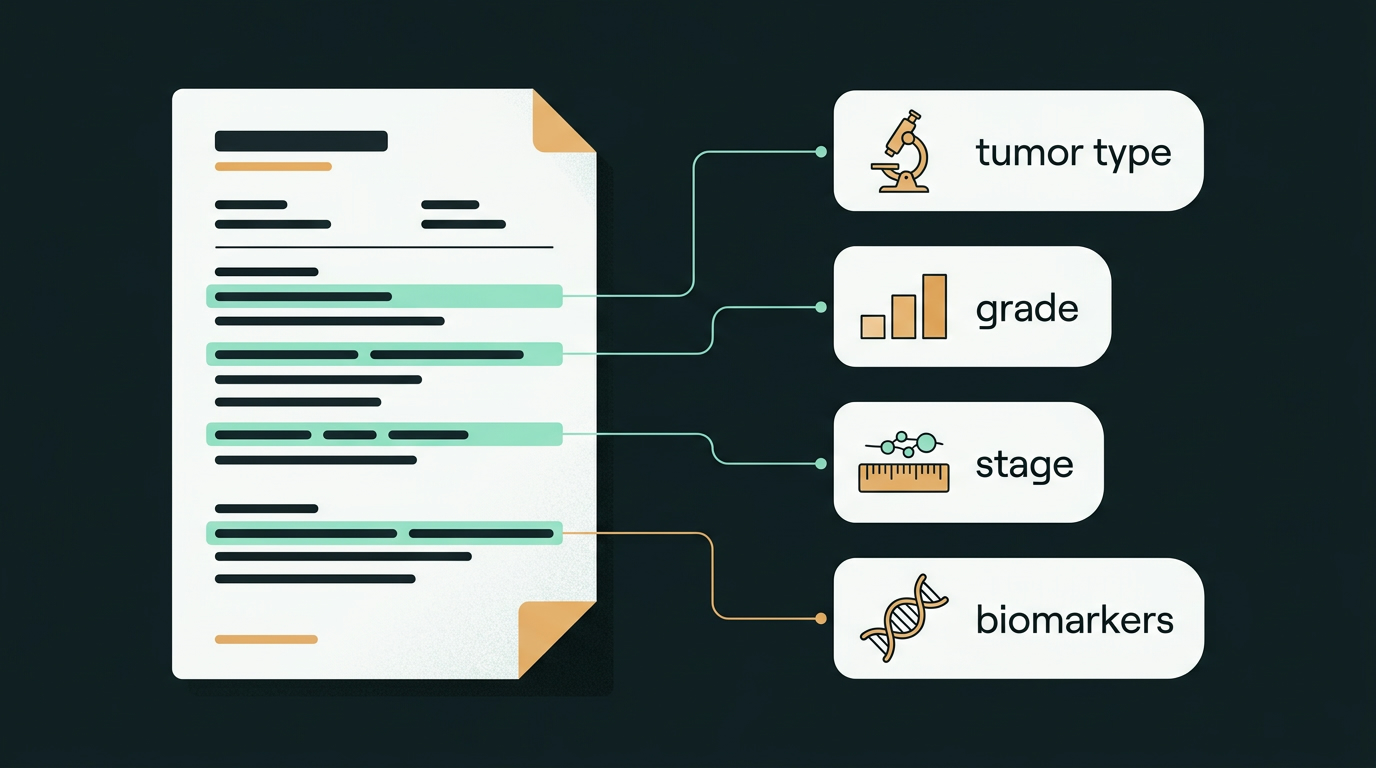
How to Read Your Cancer Pathology Report: A Plain-Language Guide
Cancer type, grade, margins, lymph nodes, TNM stage, and biomarkers — what each part of a pathology report means, with a fictional worked example.
November 1, 2026 · اردو میں پڑھیں
Palliative Care Is Not Giving Up: The Truth About Comfort in Cancer
Palliative care doesn't mean stopping treatment or that the doctor has given up. Five myths, and what the evidence on early comfort care shows.
November 1, 2026 · اردو میں پڑھیں
Cancer Doesn't Check Your Age: What Young People Need to Know
Cancer is rising in people under 50 — an oncologist breaks down the myths young adults believe about their own risk, and the symptoms worth acting on.
October 14, 2026 · اردو میں پڑھیں
Cancer Treatment Side Effects: What to Expect and How They Are Managed
What fatigue, hair loss, nausea, immune suppression, and appetite loss really look like during treatment — and how supportive care manages each one.
October 10, 2026 · اردو میں پڑھیں
Cancer Screening: Common Myths and What the Evidence Shows
Screening doesn't cause cancer, mammograms are usually less painful than feared, and many screening tests take only minutes.
September 11, 2026 · اردو میں پڑھیں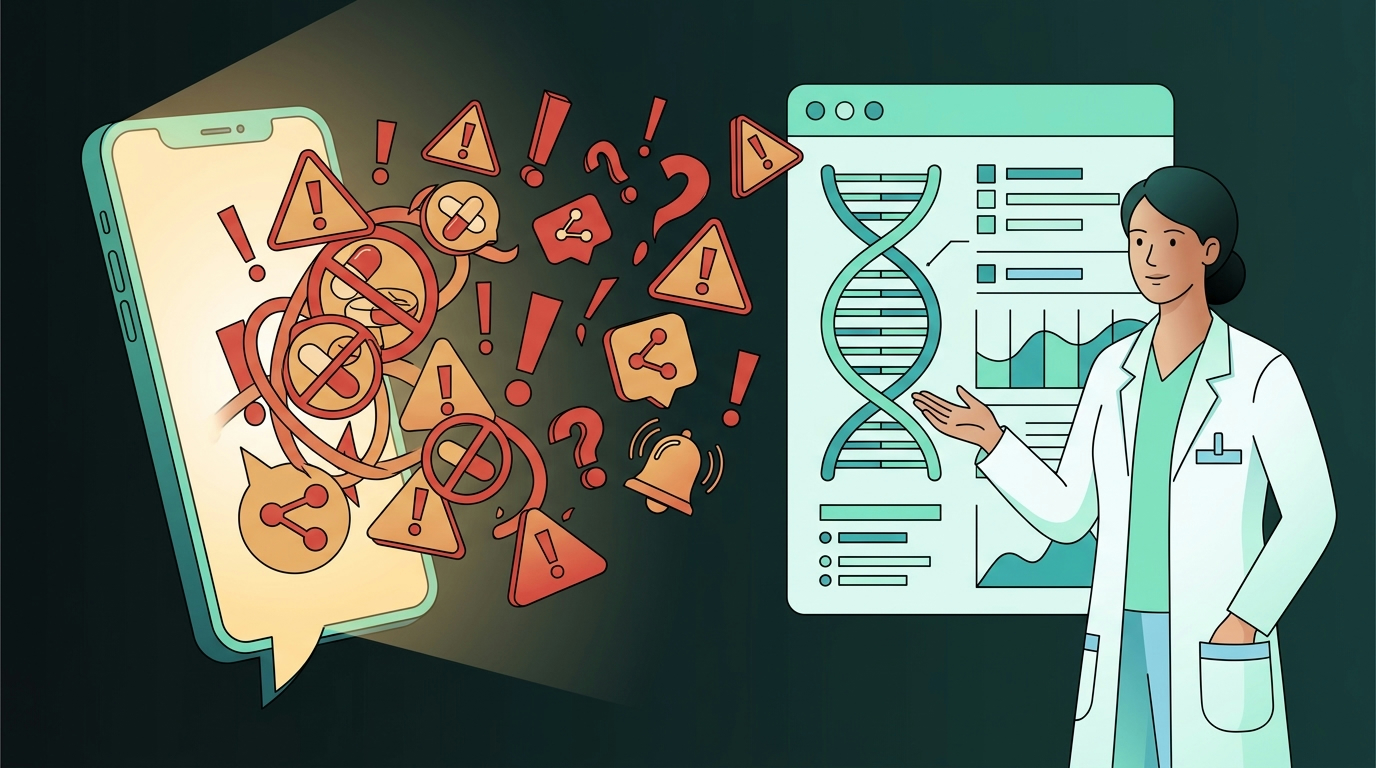
Cancer Misconceptions: What the Common Man Gets Wrong
From "cancer is a death sentence" to "there's a hidden cure" — an oncologist separates the most common cancer myths from medical reality.
September 5, 2026 · اردو میں پڑھیں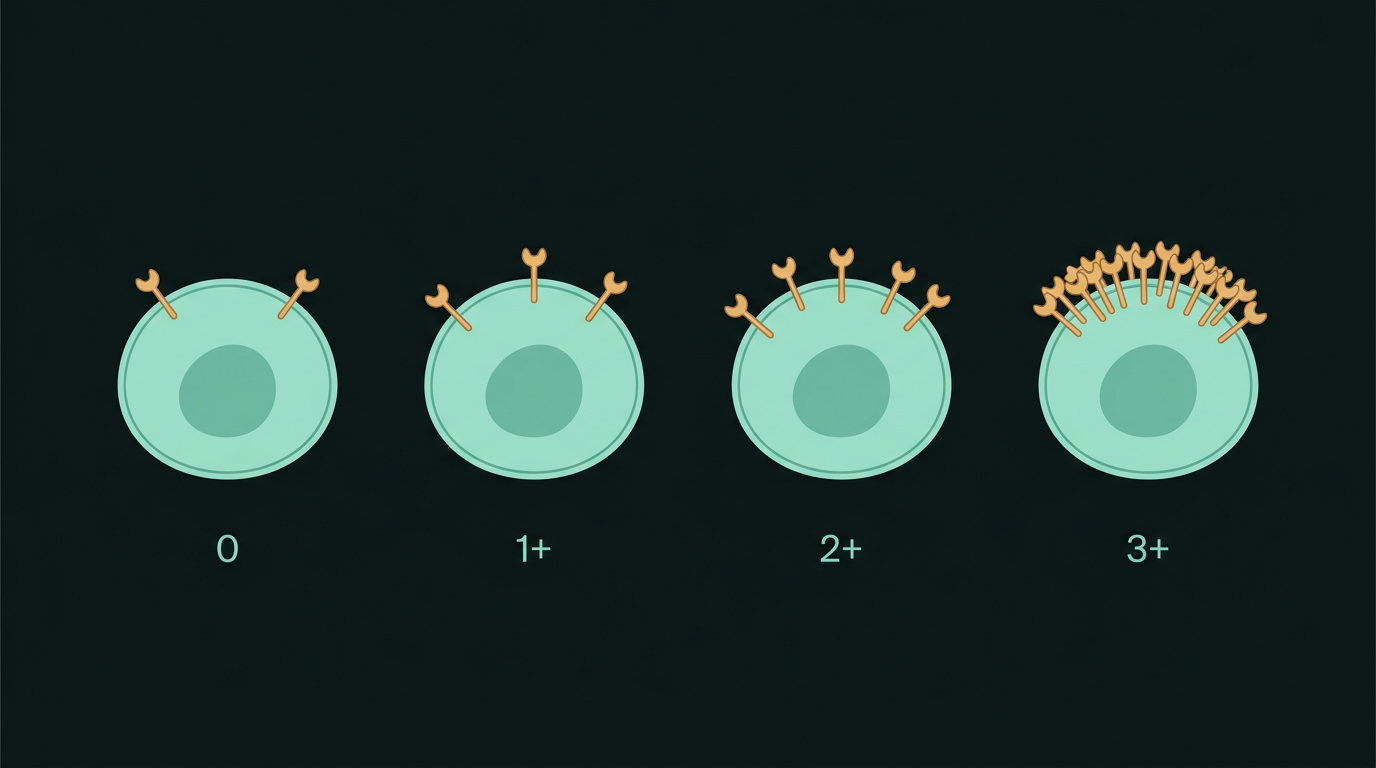
What Does HER2 Status Mean for Your Breast Cancer Treatment?
HER2 0, 1+, 2+, or 3+ on your pathology report — what each score means, how it's tested, and how it changes your treatment options.
September 4, 2026 · اردو میں پڑھیں